The Art of Mixing Different Wood Tones
Introduction
In recent years, mixing wood tones has become a popular design philosophy. But there is another approach that deserves equal attention: thoughtful consistency.
Not every space benefits from contrast. In many homes, especially those with strong architectural presence, matching or closely related wood tones create clarity, calm, and refinement.
The most sophisticated interiors are not always layered. Sometimes they are disciplined.
Why Visual Consistency Creates Strength
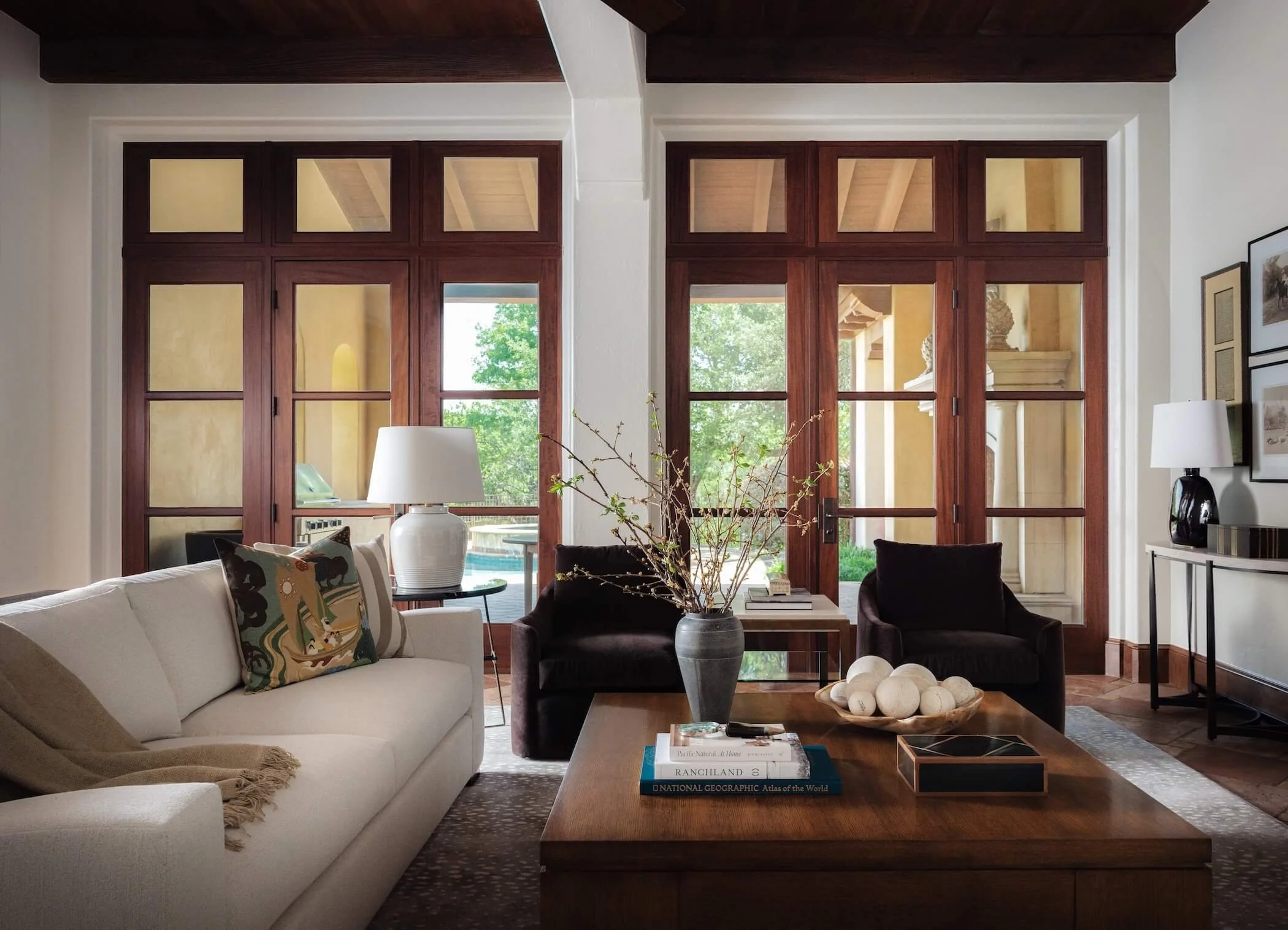
When wood tones align throughout a room, the architecture takes center stage. Instead of contrast drawing the eye in multiple directions, the focus shifts to proportion, light, material quality, and craftsmanship.
This approach is especially effective in contemporary homes in Austin, Westlake, and Tarrytown where clean lines and open layouts benefit from visual continuity.

Choose a Primary Wood and Commit
Instead of identifying a dominant tone and building contrast around it, this approach centers on selecting one wood species or stain family and repeating it with subtle variation.
Flooring, cabinetry, millwork, and large furniture pieces can live within the same tonal range while differing slightly in finish or grain character.
Undertones Still Matter
Even when matching wood tones, undertones are critical. Cohesion only works when the undertones align.
| Undertone Family | Best Paired With |
|---|---|
| Warm Honey or Golden | Warm neutrals, brass, natural stone |
| Neutral White Oak | Limestone, soft whites, matte black |
| Deep Walnut | Cream upholstery, warm metals |
| Cool Ash or Gray Stain | Polished nickel, crisp whites |
The Refined Two-Tone Formula
Rather than working with three distinct wood tones, cohesive interiors often rely on just two.
Primary Tone: Flooring and major millwork
Supporting Tone: Furniture within one shade lighter or darker
This creates depth without introducing visual competition.
Situations That Benefit from Wood Consistency
Certain environments benefit more from tonal alignment than contrast.
Use Finish Variation Instead of Color Contrast
A cohesive wood palette does not mean everything must look identical.
Wire brushed oak cabinetry
Smooth sanded oak flooring
Matte finished oak dining table
Lightly stained oak shelving
These differences create quiet dimension without disrupting harmony.
Let the Floor Lead
Rather than treating flooring as neutral, this approach treats it as the guiding material. Cabinetry, built ins, and key furniture pieces align with the floor tone to create a unified architectural language.
This is particularly effective in custom builds across Lakeway and Dripping Springs, where wood selection happens early in the architectural planning process.
Planning for Continuity from the Start
In custom homes, wood tone decisions should be made at the architectural phase. Ceiling height, window orientation, and natural light exposure influence how a single wood tone reads throughout the day.
When cabinetry, beams, flooring, and millwork are considered together, the result is not monotony. It is refinement.
Mixing vs Matching: A Quick Comparison
Some homes benefit from contrast. Others benefit from cohesion. The key is understanding the architectural intent.
| Approach | Design Feeling | Best For |
|---|---|---|
| Mixed Wood Tones | Layered and collected | Eclectic or transitional interiors |
| Matched Wood Tones | Refined and architectural | Modern, minimalist, and luxury builds |
Choosing the Right Direction for Your Home
There is no universal rule that wood tones must contrast to feel designed. In many homes, especially those with strong architectural presence, restraint creates the most powerful statement.
The goal is not variety. The goal is clarity.
Whether your home calls for layered contrast or disciplined cohesion, thoughtful planning makes the difference.