The Beauty of Mixing Metals in Your Austin Home
For years, the prevailing rule in home decor was to pick one metal finish and stick to it throughout. Brushed nickel everywhere, or polished chrome throughout, or brass on every fixture and fitting. It was a safe approach, but it produced interiors that felt flat, predictable, and lacking the depth that makes a home feel truly designed rather than simply furnished.
Mixing metals in interior design is now one of the most widely embraced techniques among designers working at the highest level. Done well, it creates layered, sophisticated spaces with a collected quality that feels effortless. Done carelessly, it looks chaotic. The difference comes down to intention, proportion, and understanding which metal finishes work together and why.
At Wendi Gee Interiors, we mix metals on almost every project, whether we are working on a custom new build in the Hill Country, a full home remodel in Central Austin, or a furnishings project across Westlake or Tarrytown. Here is everything you need to know to do it confidently in your own home.
Why Mixing Metals Works
The instinct to match metals comes from the same place as the instinct to match wood tones or coordinate every cushion to the curtains. It feels safe and controlled. But the most beautiful interiors are not controlled in that way. They feel collected, layered, and alive, as though the space has been built up over time by someone with a strong point of view rather than assembled from a single catalogue.
Mixing metals contributes to that quality. When you have aged brass cabinet hardware alongside a brushed nickel faucet and a matte black pendant light, the room reads as considered and deliberate rather than matchy. Each finish catches the light differently, adds its own tone and texture, and contributes to the overall layered quality that separates a designed room from a furnished one.
The key is that the mixing has to be intentional. There is a difference between a room where metals have been deliberately chosen to work together and a room where metals have accumulated without thought. The former looks sophisticated. The latter looks like a mistake.
The Core Principles of Mixing Metals Well
Choose an anchor metal. Every room with mixed metals needs one dominant finish that anchors the palette, typically appearing on 60 to 70 percent of the metal elements in the space. In an Austin kitchen, that might be aged brass on all the cabinet hardware. In a Westlake bathroom, it might be brushed nickel on the main fixtures. The anchor metal sets the tone and temperature of the room.
Keep undertones consistent. This is the rule that most homeowners miss. Metal finishes have undertones just like paint colors. Aged brass, copper, and bronze are all warm-toned. Brushed nickel, chrome, and gunmetal are cool-toned. Mixing warm and cool metals can work, but it requires a specific bridge element to make the transition feel intentional rather than accidental. If you are working with a warm earth palette, which is the dominant direction in Austin interior design right now, anchor with a warm metal and use cooler finishes sparingly as accents.
Use a bridge metal. A third finish that sits between your two main metals in tone and finish creates cohesion across the room. Unlacquered brass sits beautifully between polished brass and matte black. Brushed bronze bridges aged brass and oil-rubbed bronze. The bridge metal does not need to appear frequently. It just needs to be present enough to make the transitions feel connected.
Distribute intentionally. Metals should be spread across the room rather than clustered. If all your brass is on the left side of the kitchen and all your black is on the right, the room will feel split rather than layered. Think about how each finish moves across the space and whether the eye can travel naturally from one element to another.
The Best Metal Pairings for Austin Homes in 2026
The warm, earthy palettes defining Austin interior design in 2026 call for specific metal combinations. Here is what we are using most across projects in Dripping Springs, Driftwood, Tarrytown, and Lakeway:
Aged brass and bronze is the pairing we reach for most often. Aged brass brings warmth, history, and a sense of quiet luxury. bronze provides contrast and grounding without the coldness of chrome or polished nickel. Together they sit perfectly against the clay walls, warm limestones, and natural woods that characterise the best Austin home remodels right now.
Unlacquered brass and polished nickel is a softer, more transitional pairing that works particularly well in custom Texas builds where the architecture has a clean, contemporary quality. Unlacquered brass patinas over time, developing a living finish that feels organic and personal. Polished nickel keeps it grounded and provides a finish that elevates any space to make it feel timeless.
Bronze and copper is the richest, most layered of the warm metal combinations. It works best in rooms with strong architectural detail and a deep, saturated palette. In a Tarrytown home with older bones and high ceilings, bronze and copper together can feel extraordinarily beautiful.
Matte black and brushed gold is the most contemporary pairing on this list, and the one with the strongest visual contrast. It reads as modern and deliberate, and works best when the rest of the room is relatively neutral. In a Westlake kitchen with white oak cabinetry and a warm white stone countertop, matte black and brushed gold hardware creates a striking focal point without overwhelming the space.
Room by Room: How to Apply Metal Mixing in Your Austin Home
Kitchen. The kitchen offers the most opportunities for metal mixing because there are so many distinct elements: cabinet hardware, faucets, light fixtures, appliances, and range hoods. We typically anchor with one warm metal on the hardware and faucet, introduce a second finish on the lighting, and let appliances in stainless steel read as a neutral rather than a competing element.
Bathrooms. In primary bathrooms and powder rooms, mixing metals adds a hotel-quality layering that feels intentional and considered. Aged brass on the faucet and towel rings, matte black on the mirror frame and accessories, and brushed nickel on the shower fixtures is a combination that works beautifully in the warm-toned Austin interior design palette.
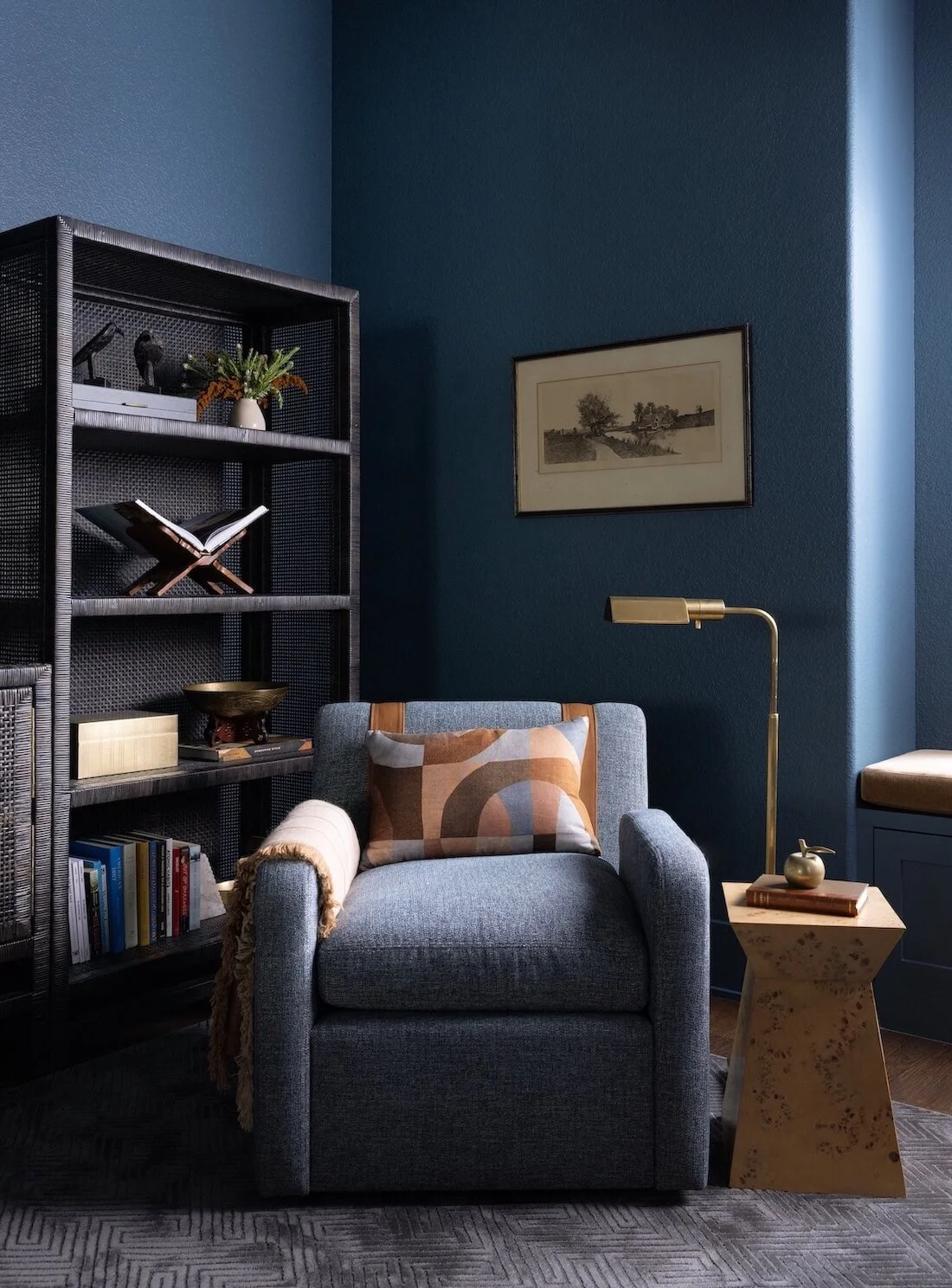
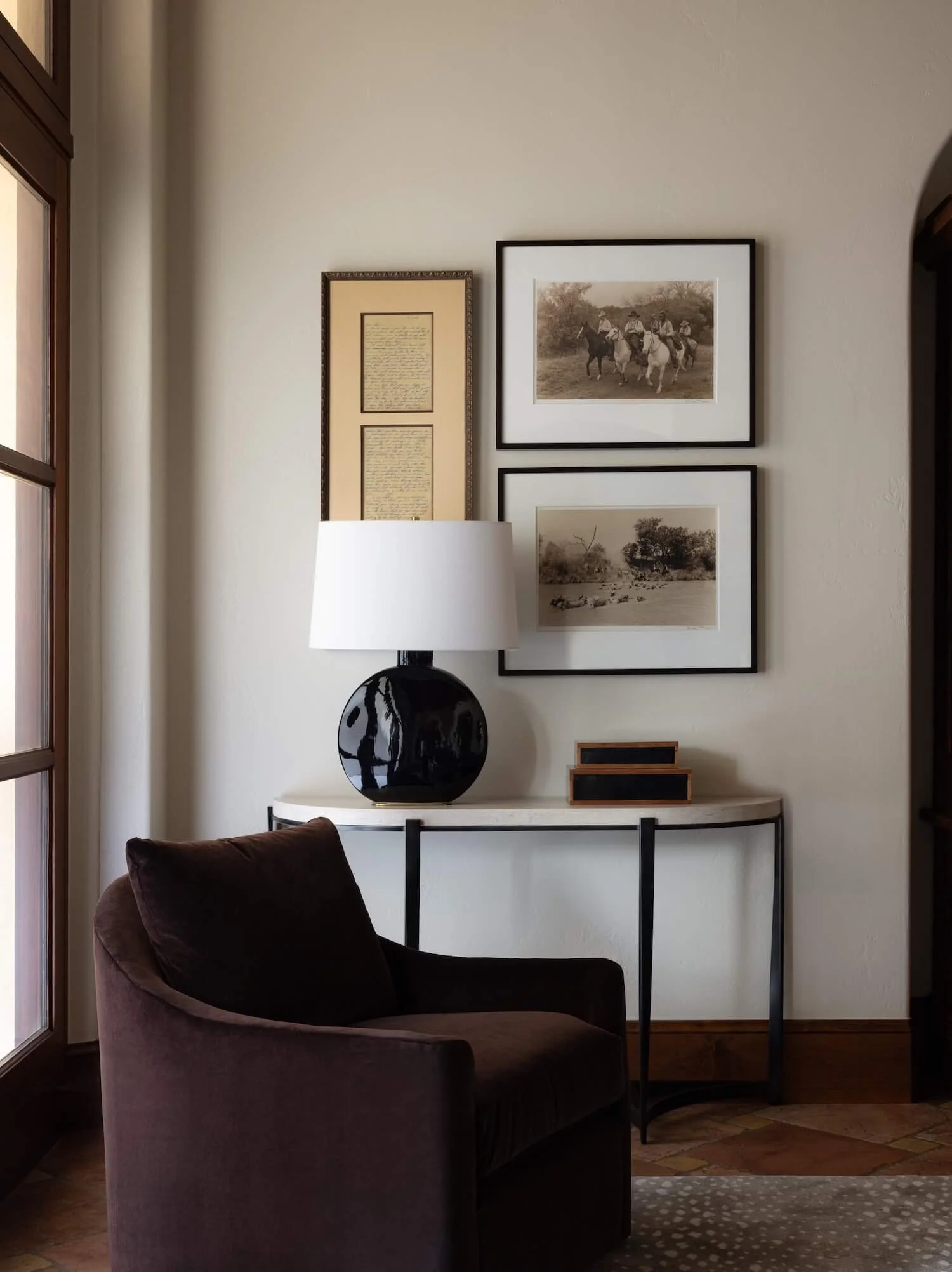
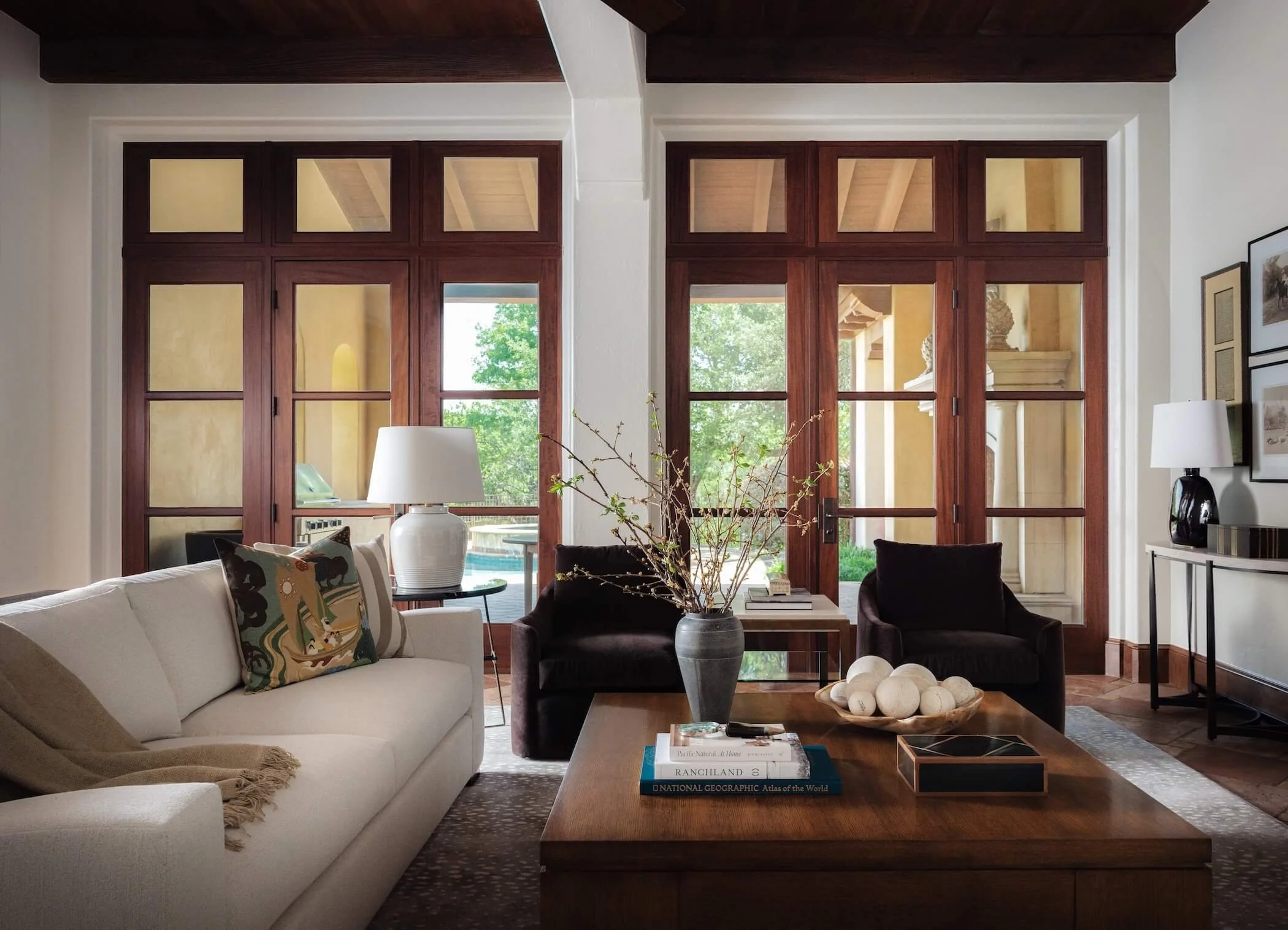
Living rooms. Metals in the living room tend to appear in lighting, furniture legs, decorative objects, and occasional hardware. This is where the bridge metal concept is most useful. A brass floor lamp, a matte black side table, and a few bronze decorative objects create a layered metal palette that feels collected rather than designed.
Bedrooms. Keep metal mixing subtle in the bedroom. One anchor finish on the main lighting fixture and hardware, with a lighter touch of a second finish in accessories and soft furnishing details, is enough to add depth without creating visual noise in a room that should feel restful.
Bringing It All Together in Your Austin Home
Mixing metals is one of the most rewarding design techniques available because it adds so much depth and character for relatively little cost. Swapping out cabinet hardware, changing a light fixture, or introducing a new metal finish in accessories can transform a room's feel without touching a single wall or piece of furniture.
The most important thing is to approach it with intention. Know which finish you are anchoring with, understand the undertone of each metal you are introducing, and think about how each finish will distribute across the room before you commit.
If you are working on a home remodel, a custom build, or a furnishings project across Westlake, Tarrytown, Dripping Springs, Driftwood, or Lakeway, we would love to help you build a metal palette that feels truly considered.

Ready to bring intentional metal mixing into your Austin home? Schedule a free discovery call with Wendi Gee Interiors today.