Color Psychology in Interior Design: How Color Affects Your Mood at Home
Color is one of the most powerful tools in interior design. It shapes how a room feels before you consciously register anything else. It can make a space feel expansive or intimate, energising or restful, warm or cool. Yet for most homeowners, color decisions are made intuitively rather than intentionally, and the results often fall short of what the room could be.
Color psychology in interior design is the practice of choosing color with awareness of its emotional and psychological effects. At Wendi Gee Interiors, it sits at the heart of every palette decision we make, whether we are working on a new custom build in the Hill Country, a full home remodel in Central Austin, or a furnishings project in Westlake.
Here is what you need to know about how color affects your mood at home, and how to use that knowledge to make better design decisions.

What Is Color Psychology in Interior Design?
Color psychology is the study of how color influences human emotion, behavior, and perception. In interior design, it is applied to make deliberate palette choices that serve the function of each space. A bedroom should feel restful. A kitchen should feel energising and clean. A living room should feel welcoming. The colors you choose either support those goals or work against them.
This is not a new concept. Designers and architects have understood the emotional weight of color for centuries. What has changed is how much we now understand about the neuroscience behind it. Color affects the nervous system directly, influencing cortisol levels, heart rate, and how much cognitive effort the brain expends processing a room.
For Austin interior design specifically, there is an additional layer of complexity. The quality of light in Central Texas is unlike the light in New York or London. It is brighter, warmer, and more intense for more hours of the day. A paint color that reads as a soft, sophisticated gray in a London townhouse can look harsh and cold in a Westlake home flooded with afternoon sun. This is why color decisions should always be made in context, not in a paint store under fluorescent lighting.
The Emotional Effect of Each Color Family
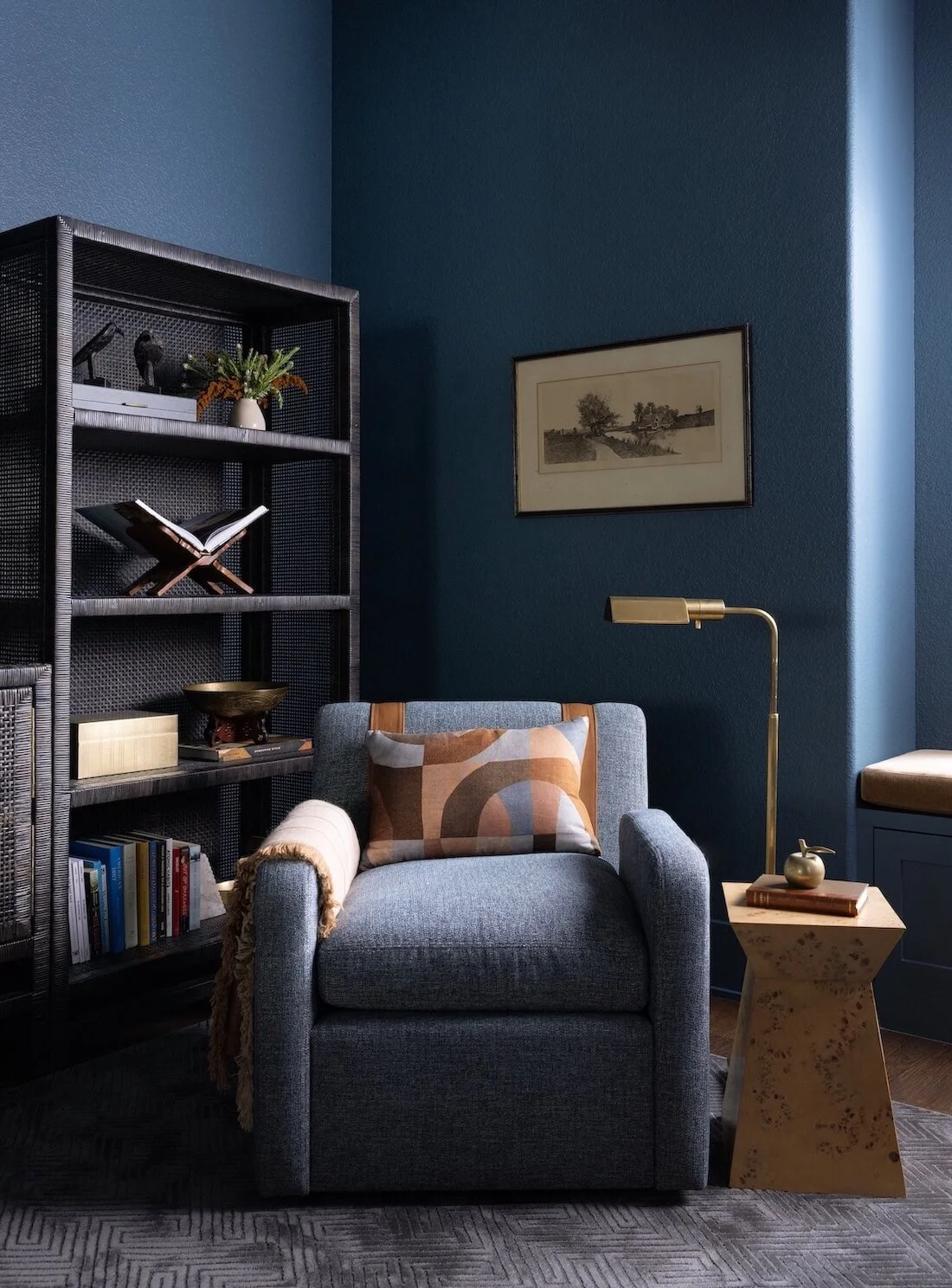
Blue is consistently the color most associated with calm, trust, and clarity. Muted dusty blues, slate tones, and soft denim hues are among the most effective colors for bedrooms and home offices in 2026. They lower perceived heart rate and create a sense of order without feeling cold. In Austin homes where the architecture tends toward warmth and texture, blue works best as a secondary element rather than a dominant wall color.
Green is the most psychologically powerful interior color available to a designer. The human nervous system reads green as a signal of safety and natural environment, which is why it measurably reduces stress. Dusty sage and celadon are the two green shades with the highest use in refined interiors this year. For Dripping Springs and Driftwood homes where the landscape outside is already deeply green, bringing sage indoors creates a seamless, grounding connection between the interior and the Hill Country surroundings.
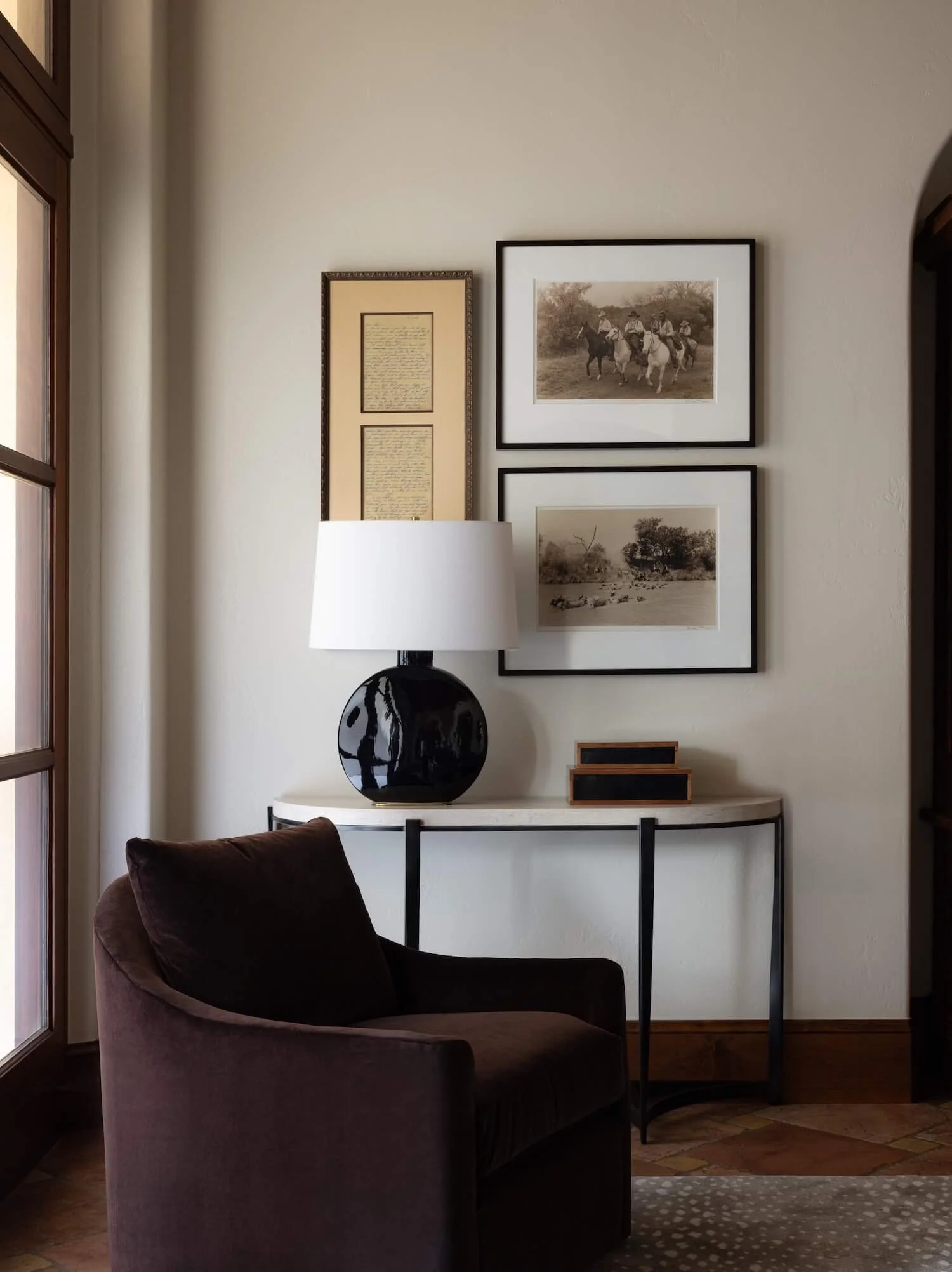
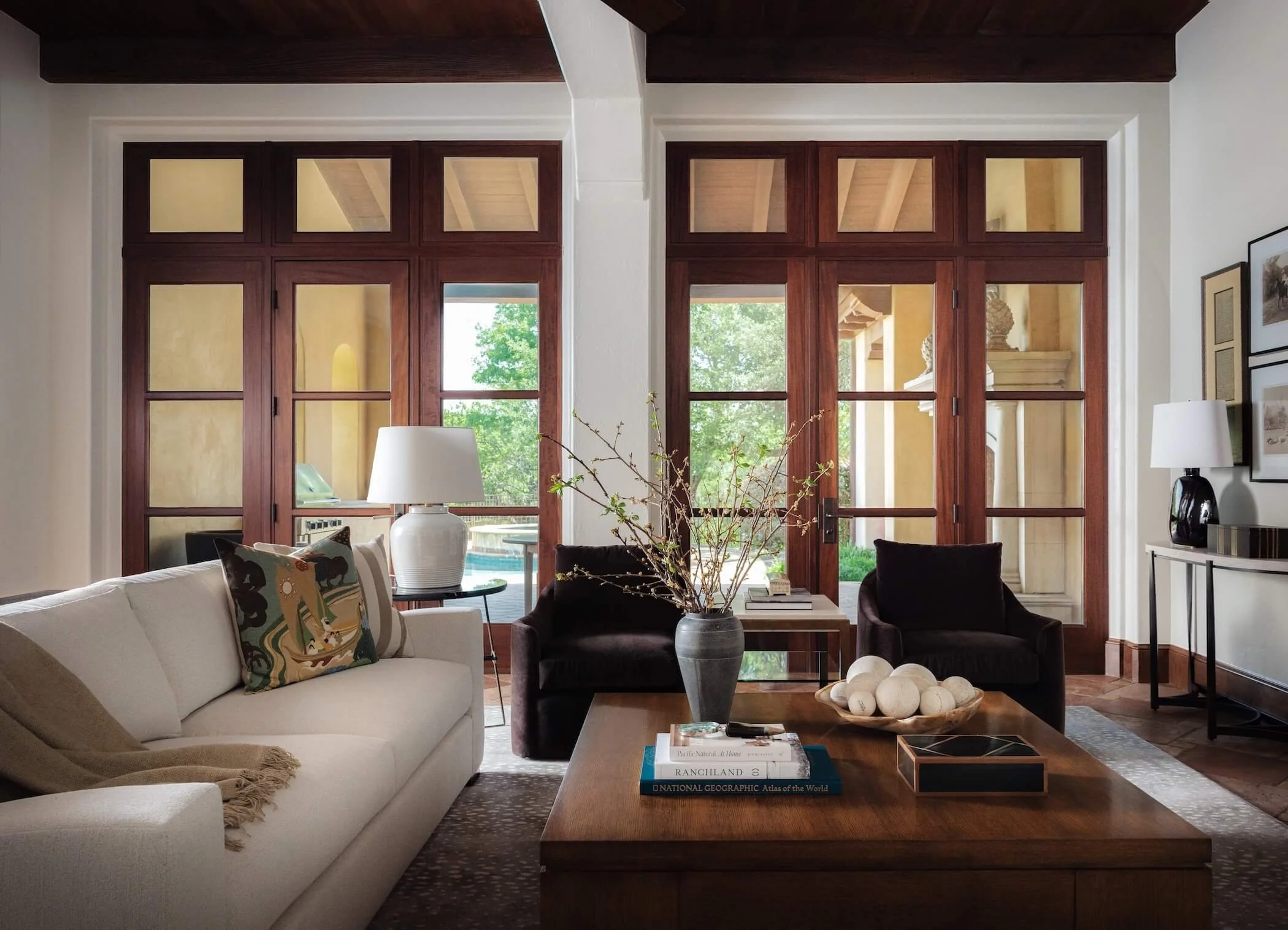
Warm neutrals including clay, warm taupe, ocher, and soft ivory are the palette defining Austin interiors in 2026. These tones replace the cool grays that dominated the past decade and bring a sense of warmth, groundedness, and ease that works particularly well in the Texas light. Warm neutrals also have a unique quality: they allow architecture and material to take center stage rather than competing with the wall color for attention.
Deep jewel tones including emerald, velvet plum, and deep teal are making a confident return in statement rooms. In color psychology, deep saturated colors create intimacy and a sense of ceremony. They work beautifully in dining rooms, powder rooms, and primary bedrooms where the goal is a heightened, enveloping experience rather than the openness you want in a living room or kitchen. In Tarrytown homes with older architectural detail, jewel tones can feel completely at home.
Warm reds and terracotta stimulate appetite and conversation, which is why they have a long history in dining rooms and kitchen spaces. In 2026 these tones are appearing in more sophisticated, less saturated forms: warm mahogany, burnt sienna, and earthy terracotta that feel rooted in the landscape rather than bold for the sake of it.
How Light Changes Everything in Austin Homes
One of the most important and most overlooked aspects of color psychology in interior design is the relationship between color and light. Color does not exist independently. It is always a product of how light interacts with a surface, and that relationship changes throughout the day.
In Austin, where homes in Westlake, Lakeway, and across the Hill Country often have large windows and strong southern and western exposures, this matters enormously. Warm afternoon light will intensify warm tones and soften cool ones. A sage green wall can shift from a quiet, dusty sage in the morning to a more vivid, saturated green by late afternoon. A soft warm white can glow beautifully in evening light but look flat and yellowish at midday.
This is why we always test color samples in the actual space, at multiple times of day, before committing. The paint swatch in the store, viewed under artificial lighting, tells you very little about how that color will behave on your walls at 4pm on a Tuesday afternoon in October.
Room by Room: Applying Color Psychology in Your Austin Home
Living rooms benefit from warm, welcoming palettes that invite relaxation without inducing lethargy. Soft warm neutrals, dusty greens, and muted earthy tones all work well. For remodelled Austin homes with open-plan living areas, a consistent warm neutral across the space creates flow and makes the square footage feel larger and more cohesive.
Kitchens call for clean, energising palettes. Warm whites, soft cream, and warm greige perform well here. In custom Texas builds where the kitchen is the social heart of the home, a warm neutral wall color paired with natural stone countertops and aged brass hardware creates a space that feels both vibrant and deeply livable.
Primary bedrooms should prioritise rest above all else. Muted blues, dusty sage, warm taupe, and soft warm whites are all strong choices. Avoid high-contrast or highly saturated colors in the bedroom. The goal is to lower mental stimulation and signal the nervous system that it is time to wind down.
Dining rooms are the one space where you can push further. Deep jewel tones, rich warm reds, and moody saturated palettes create the sense of occasion that makes a dining room feel like a destination rather than just a room with a table in it.
Home offices benefit from colors that support concentration without creating anxiety. Muted blues and greens are well supported by research as productivity-enhancing colors. Avoid pure white, which can feel stark and fatiguing over long working hours, and highly saturated warm colors which tend to elevate energy in a way that can tip into restlessness.
The WendiGee Interiors Approach to Color in Austin Homes
Color psychology in interior design informs every palette conversation we have with clients. But we never apply it as a formula. A color that calms one person can feel flat or cold to another. Cultural background, personal history, the specific quality of light in a room, the materials it sits alongside, and the function of the space all shape how a color is experienced.
What we bring to every project in Tarrytown, Westlake, Dripping Springs, Driftwood, and Lakeway is a process for making color decisions that are grounded in how you actually live, what the light in your specific home does across the day, and what palette will still feel right to you in fifteen years.
If you are thinking about a remodel, a new build, or a furnishings refresh, we would love to talk through your color and design goals.
Ready to transform how your Austin home feels through intentional color? Schedule a free discovery call with Wendi Gee Interiors today.