The Power of Layering in Interior Design
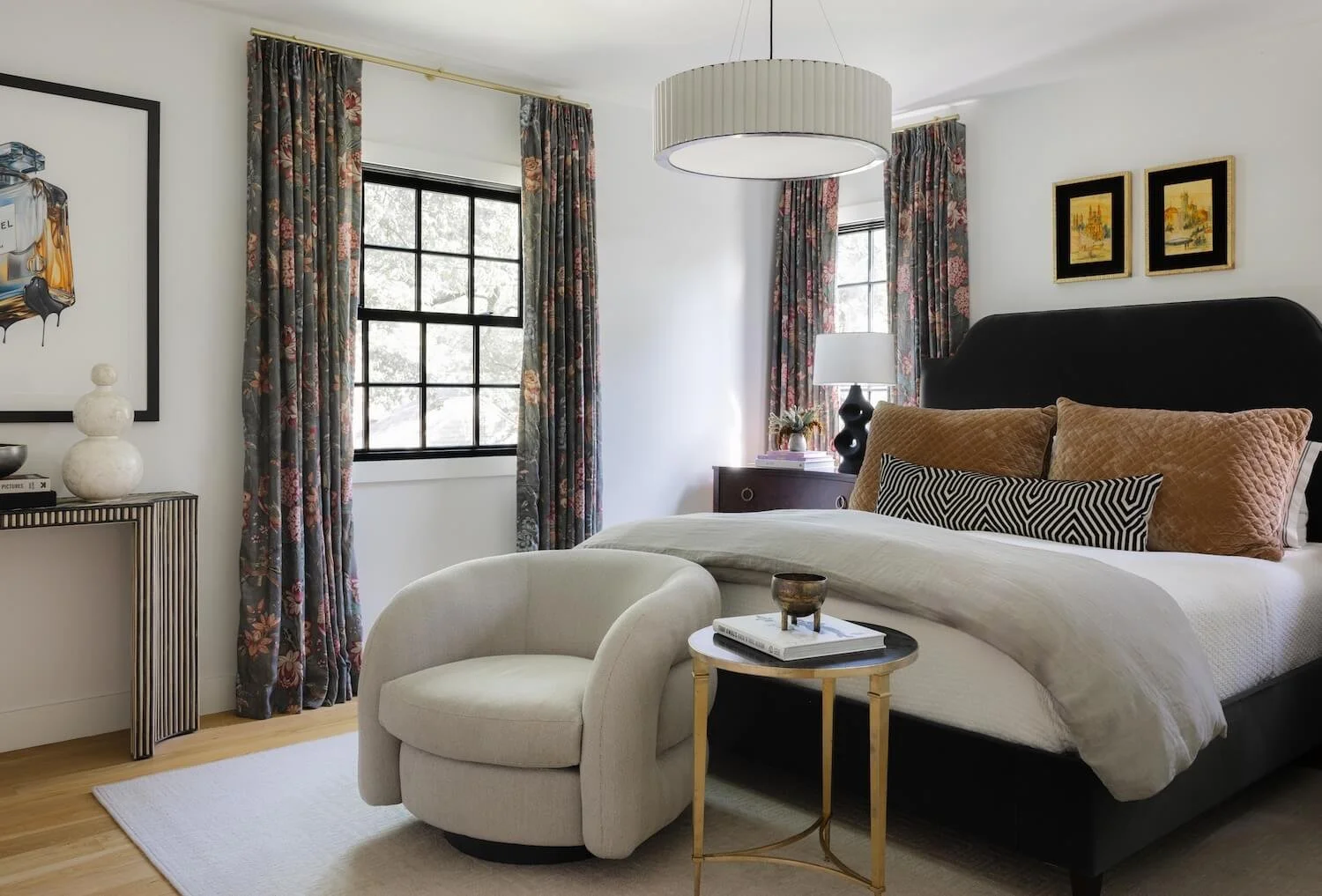
There is a quality that the best interiors share, and it is difficult to name precisely until you understand what creates it. It is not a style or a color palette. It is not the price of the furnishings or the prestige of the designer. It is depth. The sense that a room has been built over time, that every surface and object belongs, and that the whole is richer than the sum of its parts. That quality is the product of layering, and it is one of the most transformative design techniques available to anyone who wants their home to feel genuinely alive.
Layering in design is the deliberate practice of combining different materials, textures, finishes, colors, patterns, and objects to create a space that has visual interest at every level. It is what separates a room that looks styled from a room that feels inhabited. At Wendi Gee Interiors, it is one of the first principles we discuss with clients across Austin, Tarrytown, Westlake, Lakeway, Dripping Springs, and Driftwood, because understanding it changes how every subsequent decision is made.
What Layering in Design Actually Means
Layering is not the same as decorating. Decorating is the act of placing objects in a space. Layering is the act of building a space, piece by piece, from the ground up, with each new element responding to and enriching everything that came before it. A room that has been decorated can look finished. A room that has been layered feels finished, and that is an entirely different thing.
"Layering is the quiet language of a well-designed room. It is not about adding more. It is about adding in the right sequence, with the right intention, until the space tells a complete story."
The strategic techniques that make layering work are not complicated, but they require intention. They ask you to think about a room not as a collection of individual pieces but as a composition, where each element plays a role and where the relationship between elements matters as much as the elements themselves. This is how the homes we design across the greater Austin area achieve the depth and warmth that clients describe as feeling collected rather than decorated.
Start with the Foundation Layer
Every successful layered room begins with a strong foundation. The foundation layer is made up of the largest, most fixed elements in the space: the flooring, the wall color or finish, the primary furniture pieces, and the architectural framework of the room itself. These elements establish the room's overall tone, scale, and palette. Everything that comes after responds to them.
The foundation layer should be restrained. This is not the place for competing patterns or bold color choices on multiple surfaces simultaneously. A calm, well-considered foundation gives every subsequent layer room to breathe and to register clearly. A warm oak floor, smooth plaster walls in a soft warm white, and a large neutral sofa form a foundation that can support almost unlimited layering above it. This is the principle behind why the most layered rooms often have the simplest base materials. Our furnishings team begins every project by establishing this foundation before a single accent piece is considered.
Depth and Texture: The Heart of Layering
If the foundation layer establishes the structure of a room, texture is what gives it soul. Depth and texture are created by the contrast between materials: smooth against rough, soft against hard, matte against reflective, woven against polished. A room where every surface shares the same texture will always feel flat, regardless of how beautiful the individual pieces are. A room that layers contrasting textures creates the kind of visual complexity that draws the eye in and rewards closer inspection.
| Texture Pairing | Example Combination | What It Creates | Where It Works Best |
|---|---|---|---|
| Soft vs. Hard | Velvet sofa against a stone or marble coffee table | Warmth and refinement together; neither dominates | Living rooms, primary sitting areas, great rooms |
| Matte vs. Reflective | Linen upholstery alongside polished brass fixtures or a lacquered tray | Light moves through the room differently; adds visual energy | Any room; particularly effective in lower-light spaces |
| Woven vs. Smooth | Jute or sisal rug beneath a smooth leather chair | Natural, grounded feel with a sense of luxury layered above | Living rooms, studies, bedrooms in Hill Country homes |
| Rough vs. Refined | Exposed stone wall alongside silk or linen drapery | The roughness makes the refinement feel more intentional and elevated | Driftwood and Dripping Springs homes with natural stone elements |
| Organic vs. Geometric | A live-edge wood table against clean-lined upholstered chairs | Visual tension that reads as collected and interesting rather than matched | Dining rooms, kitchens, breakfast areas |
Layering Color Without Chaos
Color is one of the most powerful layering tools available, and also one of the easiest to misuse. The goal of layering color is not to use many colors but to use color at different intensities and in different proportions, so that the palette feels rich rather than flat and harmonious rather than busy. A room built entirely in one tone reads as monotonous. A room that introduces the same tone in different values and saturations, and then punctuates with a contrasting accent, reads as considered and alive.
The approach we use most consistently is to establish a dominant neutral, introduce two or three related tones within the same warm or cool family, and then add one deliberate accent that provides contrast without disruption. In the Hill Country homes we work on across Lakeway and Driftwood, this often means a warm sand or stone base, layered with honey, caramel, and cream tones throughout the textiles and materials, with a single deep or saturated accent introduced through art, a throw, or a piece of furniture. The result is a palette that feels deeply warm and layered without reading as complicated.
Pattern as a Layering Tool
Pattern introduces rhythm and movement into a layered room. It is also one of the areas where layering most often goes wrong, because the instinct when using pattern is either to avoid it entirely, which produces rooms that feel safe but flat, or to use too many competing patterns at the same scale, which produces visual noise. The key is scale variation and a shared color thread.
| Pattern Role | Scale | Example | Rule to Follow |
|---|---|---|---|
| Hero Pattern | Large scale; the dominant visual statement | A bold geometric rug, large-scale floral drapery, or statement wallpaper | Only one per room; it anchors the layering and everything responds to it |
| Supporting Pattern | Medium scale; complements without competing | A smaller geometric or stripe on a pillow or throw that shares a color with the hero | One to two per room; must share at least one color with the hero pattern |
| Texture Pattern | Small scale or tonal; adds interest without reading as pattern | A woven or embossed fabric, a tone-on-tone stripe, a subtle herringbone | Use freely; these add depth without the visual weight of a printed pattern |
Objects, Art, and the Personal Layer
The final and most personal layer in any room is made up of the objects, art, books, plants, and accessories that bring individual character and history to the space. This is the layer that transforms a beautifully designed room into a home. It is also the layer that is most often either overdone, producing clutter, or underdone, leaving a room that looks like a showroom rather than a place that is actually lived in.
The strategic technique here is to group objects in odd numbers, vary their heights within each grouping, and ensure that every grouping includes a mix of textures and materials. A trio of objects on a console might include a tall ceramic vase, a stack of books, and a small sculptural object in a contrasting material. The variation in height creates visual movement. The variation in material creates the texture contrast that makes layering work. And the restraint, choosing three considered objects rather than filling every surface, gives each piece room to register. Our furnishings and styling work across Westlake and Tarrytown consistently demonstrates that editing is as important as adding.
Layering Rugs for a Collected Feel
Rug layering is one of the hallmarks of high-end design and one of the most accessible layering techniques available. Starting with a large natural fiber rug as the base, such as jute, sisal, or a simple flatweave, and then layering a smaller, more decorative rug on top creates a depth and richness that a single rug cannot achieve. The base rug grounds the space and protects the floor. The layered rug introduces pattern, color, or texture at a scale that feels intentional rather than overwhelming.
In the Hill Country homes we design across Driftwood and Dripping Springs, layered rugs are a consistent presence. A large natural sisal beneath a smaller vintage Persian or a bold abstract creates the collected, traveled quality that suits the warmth and character of those homes. The combination also adds an acoustic softness to rooms with hard flooring that contributes to the overall sense of comfort and depth.
Strategic Layering by Room
While the principles of layering apply universally, the specific priorities and techniques vary by room. Each space has a different function, a different relationship to natural light, and a different emotional tone to establish. Understanding how layering serves each room differently is the key to applying these techniques with confidence across an entire home.
| Room | Priority Layer | Key Technique | What to Avoid |
|---|---|---|---|
| Living Room | Texture and lighting | Multiple seating surfaces in contrasting materials; table and floor lamps at different heights alongside overhead ambient light | All seating in the same material; overhead lighting as the only source |
| Primary Bedroom | Textile layering | Layer bedding in at least three textiles: a fitted sheet, a duvet or coverlet, and a throw or quilt at the foot; add varied pillow textures | A perfectly matched bedding set with no variation in material or weight; it reads as flat |
| Dining Room | Material contrast | Mix table and chair materials deliberately; a wood table with upholstered chairs, or a stone table with wood or metal chairs | Fully matched dining sets; they read as purchased rather than considered |
| Kitchen | Finish variation | Introduce at least two hardware finishes or vary the cabinetry finish between uppers and lowers or island and perimeter | Perfectly uniform finishes on every surface; it removes the visual interest that layering creates |
| Entry Hall | Object and art layering | Console with a mirror or art above, flanked by lamps; a rug underfoot; a curated grouping of objects on the console surface | A bare entry with a single console and nothing else; it communicates that the home begins somewhere other than here |
| Home Office | Bookshelf layering | Mix books with objects, plants, and art on shelving; vary depths and heights within each shelf to create rhythm | Books organized purely by size or color; it reads as styled rather than lived in |
Layering in Custom Home Builds
In a custom home build, the layering conversation begins at the architectural level. The materials selected for floors, walls, ceilings, and architectural details form the foundation layer of every room in the home, and the decisions made at this stage determine how much richness and depth the interior can ultimately achieve. A home built with architectural variety, ceiling height changes, varied wall treatments, natural stone, and warm wood elements arrives at the furnishings stage with a foundation that is already layered and already interesting.
This is one of the most compelling arguments for involving an interior designer early in a custom build process. The homes we work on in Lakeway, Driftwood, and across the Hill Country benefit enormously from layering decisions made at the architectural stage, from the warm limestone used on feature walls to the hand-troweled plaster finishes in primary rooms to the beam details that add texture and scale to great room ceilings. These decisions, made before a single piece of furniture is selected, create the framework that makes every subsequent layer richer and more resonant. Explore our portfolio to see how this approach comes together in the custom homes we have designed across the Austin area.