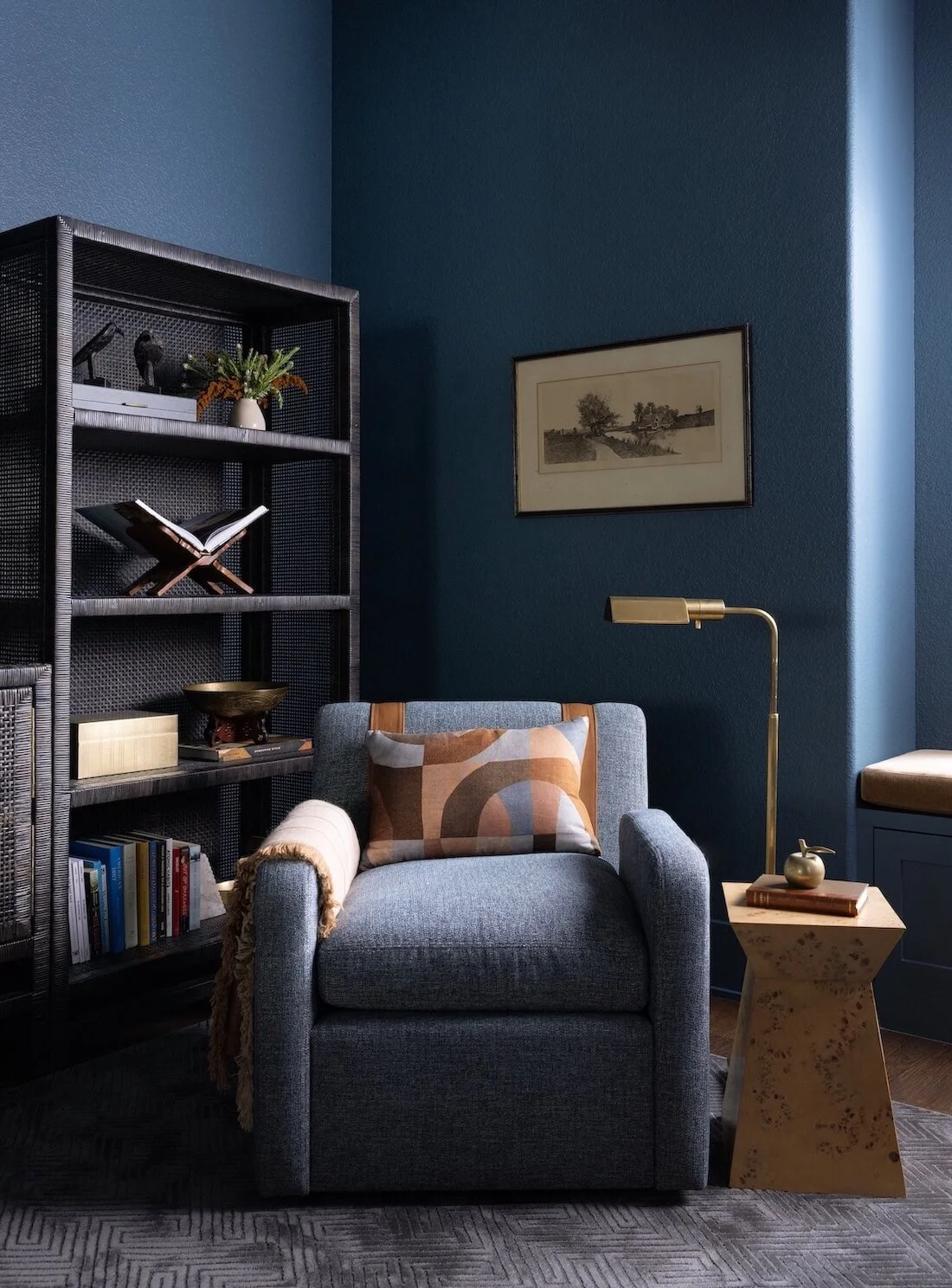
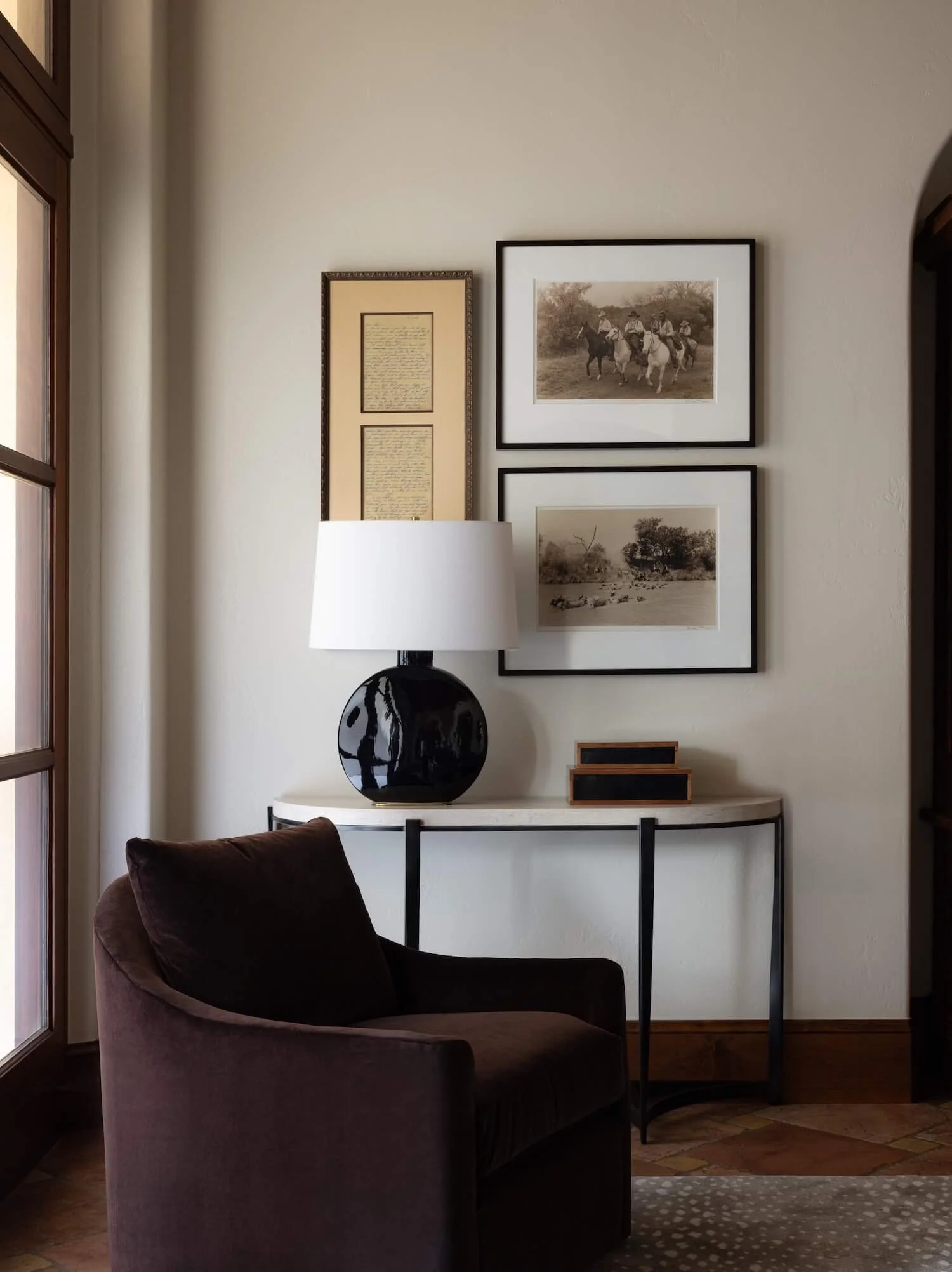
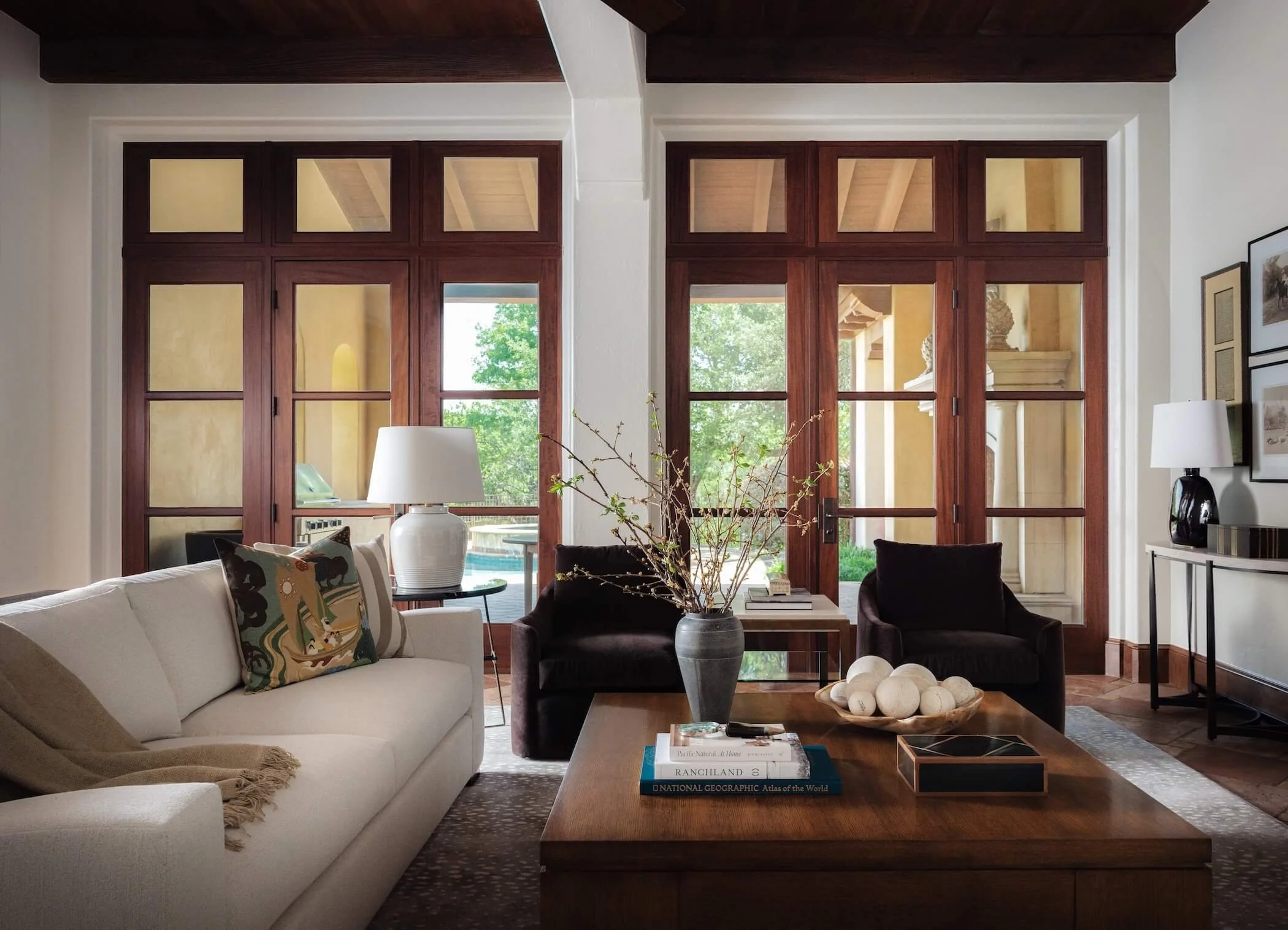
There is a version of sustainable home design that looks like sacrifice: bare concrete floors, reclaimed pallets, and a studied visual austerity that signals virtue before comfort. That is not what we are talking about.
The sustainable interior design that interests us, and that we practice across our projects throughout Austin and the Hill Country, is something quite different: a commitment to materials, methods, and choices that are environmentally conscious without compromising the warmth, beauty, and richness that a well-designed home should always deliver. Sustainability in interior design is, at its heart, a philosophy of quality over quantity, longevity over trend, and intention over impulse.
These are the same principles that define excellent design in any context. When you choose a piece of furniture built from responsibly sourced solid hardwood over a cheaper alternative made from synthetic materials, you are making a sustainable choice and a beautiful one simultaneously. Understanding how these values align is the first step toward building a genuinely eco-friendly home that feels genuinely luxurious.
Sustainable Interior Materials: The Foundation of Everything
The materials selected for a home's surfaces, finishes, and furnishings have a greater environmental impact than almost any other design decision. In our custom home interior design work across Lakeway, Driftwood, and the wider Hill Country, we begin the sustainability conversation at the architectural stage, because the choices made for flooring, wall treatments, and structural elements set the environmental tone for everything that follows. Natural materials—stone, hardwood, clay, linen, wool, and jute—are almost always the more sustainable choice, not only because they come from renewable or abundant natural sources but also because they age beautifully, improve with patina, and can last for generations. A limestone floor installed in a Hill Country home today will still be beautiful and structurally sound in a hundred years. The same cannot be said for most synthetic alternatives. This is the calculus that makes natural material selection both environmentally sound and aesthetically superior.
| Material | Why It's Sustainable | Where It Works Best | What to Look For |
|---|---|---|---|
| Reclaimed Wood | Diverts timber from landfill; no new deforestation required; embodies character and history | Flooring, ceiling beams, feature walls, bespoke furniture pieces | Confirm sourcing provenance; look for suppliers who kiln-dry reclaimed timber to eliminate pests |
| Natural Stone | Extracted once and lasts for centuries; no chemical manufacturing required; fully recyclable | Flooring, countertops, feature walls, fireplaces — especially in Hill Country custom homes | Source locally where possible to reduce transport impact; quartzite and limestone are abundant in Texas |
| FSC-Certified Timber | Verified responsible forest management; supports reforestation and biodiversity | Cabinetry, millwork, built-in shelving, structural elements in new builds | Look for the FSC chain-of-custody certification from supplier through to finished product |
| Natural Fiber Textiles | Biodegradable; no synthetic petroleum-based content; low processing footprint | Upholstery, drapery, rugs, bedding — anywhere textile layering is used | Linen, wool, jute, sisal, and cotton; look for GOTS certification for organic options |
| Low-VOC Finishes | Dramatically reduces indoor air pollution; safer for occupants and the environment | All painted surfaces, cabinetry finishes, floor sealants | Zero-VOC is ideal; ask suppliers for technical data sheets confirming VOC content |
| Recycled Content Products | Reduces demand for virgin materials; closes the loop on manufacturing waste | Glass tile, countertop materials, insulation, hardware | Look for verified recycled content percentages; avoid greenwashing claims without certification |
Biophilic Design: Bringing the Natural World Inside
Biophilic design, the practice of incorporating natural elements, living plants, natural light, and organic forms into the interior, is both one of the most compelling green living strategies and one of the most powerful design tools available. Homes designed with a genuine connection to the natural world consistently rank higher in occupant wellbeing, comfort, and emotional satisfaction. They also use energy more intelligently because natural light and passive ventilation reduce the mechanical systems’ load.
"The most sustainable interior is one that does not need to work against nature. When a home is designed to welcome natural light, natural air movement, and natural materials, it rewards its occupants with both beauty and well-being—without asking the planet to pay for it."
In our remodeling work across Austin, biophilic principles often guide our early conversations about window placement, indoor-outdoor connection, and the selection of materials that age naturally and beautifully rather than degrading or requiring chemical maintenance. In Westlake and Tarrytown homes, this might mean specifying larger windows to bring Hill Country views inside, selecting stone flooring that echoes the natural landscape, or curating living plant installations as a genuine design layer rather than an afterthought.
Biophilic design is not limited to plants. Natural textures, organic forms, water features, the sound of natural ventilation through a thoughtfully designed home — all of these are biophilic elements that contribute to an interior that feels both alive and sustainable. They also contribute to the layered, collected quality that distinguishes the homes we design across the Austin area from rooms that simply look styled.
Energy Efficiency as a Design Discipline
An environmentally conscious home is not just one that uses sustainable materials. It is one that is designed to use energy intelligently — and this is a conversation that begins at the architectural stage, long before the interior design process starts in earnest. In our custom home build projects across Lakeway, Dripping Springs, and Driftwood, we work closely with architects and builders to ensure that the interior design vision is supported by an energy infrastructure that allows the home to function beautifully without waste. Window orientation, thermal mass, passive solar gain, and mechanical system selection all intersect with interior design in ways that are often invisible to the occupant but profoundly consequential for the home's environmental footprint. A home with well-considered thermal mass in its flooring, natural stone or concrete that absorbs heat during the day and releases it at night will always outperform a home where those surfaces were selected purely for aesthetics without regard for their thermal properties. At Wendi Gee Interiors, we bring this thinking to every project from the earliest planning conversations.
| Project Stage | Sustainable Decision | Design Impact | Long-Term Benefit |
|---|---|---|---|
| Architectural Planning | Orient windows and living areas to maximise natural light and passive solar gain | Reduces need for artificial lighting; creates warmer, more inviting spaces | Significant reduction in energy consumption across the life of the home |
| Material Selection | Choose high thermal mass materials — stone, concrete, tile — for flooring in sun-facing rooms | Adds texture and depth; stone floors are among the most beautiful and durable choices available | Natural temperature regulation reduces mechanical heating and cooling load |
| Window Specification | Specify high-performance glazing; consider operable windows for natural ventilation | Enhances the indoor-outdoor connection; frames views as living art | Reduced heat gain in summer; improved comfort and reduced cooling costs |
| Lighting Design | Layer lighting across ambient, task, and accent sources using LED technology throughout | Creates the atmosphere and depth that flat overhead lighting cannot achieve | LED consumes up to 75% less energy than incandescent; significantly lower operating costs |
| Furnishings Selection | Choose heirloom-quality, sustainably sourced pieces over volume purchasing | A curated, layered interior always looks more considered than a room full of disposable pieces | Quality pieces last decades; reduces the cycle of replacement and disposal |
| Project Stage | Sustainable Decision | Design Impact | Long-Term Benefit |
|---|---|---|---|
| Architectural Planning | Orient windows and living areas to maximise natural light and passive solar gain | Reduces need for artificial lighting; creates warmer, more inviting spaces | Significant reduction in energy consumption across the life of the home |
| Material Selection | Choose high thermal mass materials — stone, concrete, tile — for flooring in sun-facing rooms | Adds texture and depth; stone floors are among the most beautiful and durable choices available | Natural temperature regulation reduces mechanical heating and cooling load |
| Window Specification | Specify high-performance glazing; consider operable windows for natural ventilation | Enhances the indoor-outdoor connection; frames views as living art | Reduced heat gain in summer; improved comfort and reduced cooling costs |
| Lighting Design | Layer lighting across ambient, task, and accent sources using LED technology throughout | Creates the atmosphere and depth that flat overhead lighting cannot achieve | LED consumes up to 75% less energy than incandescent; significantly lower operating costs |
| Furnishings Selection | Choose heirloom-quality, sustainably sourced pieces over volume purchasing | A curated, layered interior always looks more considered than a room full of disposable pieces | Quality pieces last decades; reduces the cycle of replacement and disposal |
Eco-Friendly Decor: Styling with Conscience
Eco-friendly decor is not a style category — it is a sourcing philosophy. It asks the same question at every stage of the styling process: where did this come from, how was it made, and how long will it last? Applied consistently, this philosophy produces interiors that are both more beautiful and more responsible than those assembled purely on the basis of trend or availability.
The most sustainable decorative choices are also often the most compelling from a design perspective. A vintage rug has already been made — its environmental cost was paid decades ago — and it brings a depth, character, and patina that no new rug can replicate. A ceramic vase thrown by a local artisan carries a story and a quality of surface that mass-produced alternatives cannot match. Antique and vintage furniture, locally made objects, heirloom textiles, and naturally aged materials all fall into this category: pieces that are sustainable precisely because they are worth keeping.
In the furnishings projects we complete across Austin, we bring this perspective to every sourcing decision. We curate pieces with genuine provenance, select textiles made from natural fibers by responsible manufacturers, and balance new investment pieces with vintage and antique finds that add the collected quality every layered interior needs. This approach is simultaneously more sustainable, more interesting, and more aligned with the Wendi Gee Interiors aesthetic than a room furnished entirely from a single showroom.
Sustainable Design by Room
While the principles of sustainable home design apply universally, the specific opportunities and priorities vary by room. Each space has a different relationship to energy, materials, and the natural environment, and understanding these differences allows us to apply green living principles where they have the greatest impact across the whole home.
| Room | Priority Focus | Key Sustainable Strategy | Material to Prioritise |
|---|---|---|---|
| Kitchen | Material health and energy | Specify solid wood or FSC-certified cabinetry; induction cooking over gas; energy-star appliances; water-efficient fixtures | Quartzite or recycled glass countertops; natural stone tile; solid timber cabinetry with water-based finishes |
| Primary Bedroom | Indoor air quality and textiles | Prioritise natural fiber bedding and textiles; specify zero-VOC finishes; choose solid wood furniture over composite alternatives | GOTS-certified organic cotton or linen bedding; wool or natural fiber rugs; solid timber or upholstered beds in natural fabrics |
| Living Room | Longevity and biophilic connection | Invest in heirloom-quality upholstery; maximise natural light; layer with vintage and antique pieces; introduce living plants as a genuine design layer | Natural linen, wool, or cotton upholstery; jute or sisal base rugs; reclaimed wood or natural stone accent surfaces |
| Bathrooms | Water and material efficiency | Specify low-flow fixtures without sacrificing pressure; choose natural stone or ceramic tile over synthetic alternatives; consider reclaimed or vintage vanity pieces | Natural stone tile; solid wood or stone vanities; recycled glass mosaic accents; low-VOC grout and sealants |
| Home Office | Indoor air quality and natural light | Maximise access to natural light to reduce reliance on artificial lighting; specify low-VOC finishes throughout; choose solid wood shelving and desks | Solid timber furniture; natural fiber area rug; low-VOC paint; plants to improve air quality and biophilic connection |
| Entry Hall | Durability and material selection | Choose the most durable natural materials here — this space receives the most traffic and must perform over decades; avoid synthetic flooring that will need replacement | Natural stone or reclaimed wood flooring; solid timber console; natural fiber runner or layered rug |
Sustainability in Custom Home Builds
The most powerful opportunity to build a genuinely eco-friendly home is in a custom home build, where every decision — from the orientation of the structure on the site to the specification of insulation, glazing, mechanical systems, and interior finishes — can be made with sustainability as a guiding principle from the very beginning. This is where the greatest long-term environmental gains are available, and it is where the investment in sustainable thinking pays the most significant dividends over the life of the home.
In our custom home projects across Lakeway, Driftwood, and the Hill Country, we bring sustainable material thinking into the earliest planning conversations. The limestone and cedar that define the Texas landscape are not only beautiful choices for these homes — they are also among the most locally sourced and environmentally appropriate materials available. A home built with locally quarried stone and responsibly harvested timber, finished with low-VOC products throughout and designed to maximise natural light and ventilation, will outperform a conventionally built home on every environmental metric while also being more beautiful, more site-responsive, and more aligned with the character of the landscape it inhabits.
This is one of the strongest arguments for involving an interior designer early in the custom build process. The decisions that have the greatest environmental impact are made before the first wall goes up, and a designer who understands how sustainable material choices interact with the overall design vision can help ensure those decisions are made with both conscience and beauty in mind. Explore our portfolio to see this approach in practice across our custom home projects throughout the Austin area, and reach out to our team to begin the conversation about your own project.

Building a Sustainable Home Across Austin or the Hill Country?
From custom builds to full-home remodels and furnishings, we bring sustainable thinking and luxury design together across Tarrytown, Westlake, Lakeway, Dripping Springs, and Driftwood.