The Art of Space Planning in Interior Design
Space planning is the foundation of any great interior design. It is the strategic arrangement of furniture, architectural elements, and circulation paths to create interiors that are both functional and visually harmonious. Without thoughtful space planning, even the most beautiful furnishings or finishes can feel awkward or underutilized.
For homeowners in Lakeway, Tarrytown, Westlake, Driftwood, and Dripping Springs, a carefully planned space transforms not only how a room looks but also how it feels and functions.
1. Start with Function Before Style
Successful space planning begins with understanding how each room will be used:
Identify primary functions (e.g., entertaining, family gatherings, quiet retreat).
Consider traffic patterns — no one should feel blocked by furniture.
Prioritize essential pieces first before decorative elements.
Pro Tip: Sketch a floor plan or use digital tools to visualize furniture placement before purchasing.
2. Optimize Traffic Flow and Circulation
A room should feel open and inviting. Key considerations:
Maintain clear pathways between doors, windows, and major furniture pieces.
Avoid cramming too many items; negative space is just as important as furnishings.
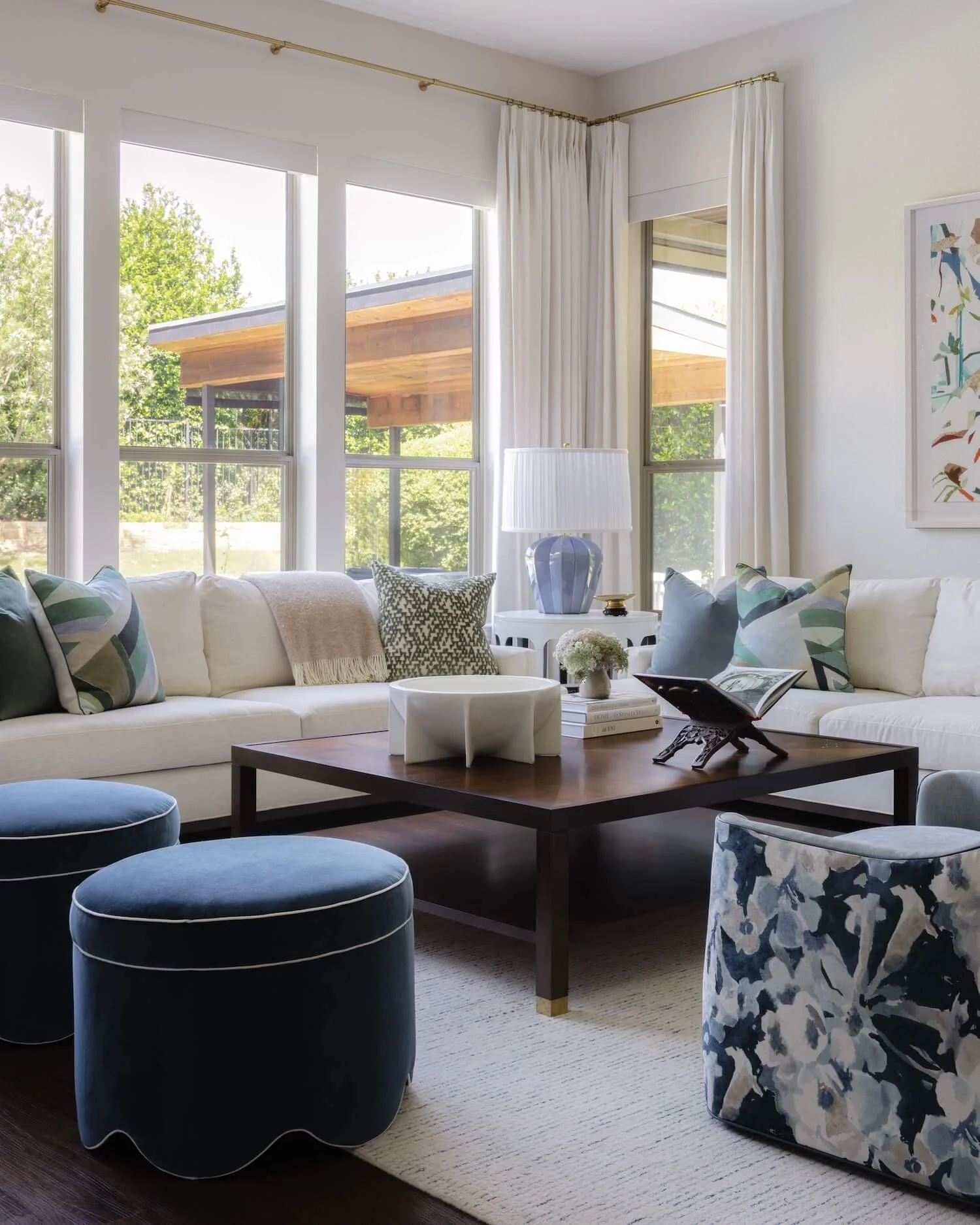
Use rugs, lighting, and furniture placement to subtly guide movement through a space.
3. Scale and Proportion Matter
Even beautiful furniture can feel out of place if it’s too large or too small for the room:
Match furniture scale to the room size.
Keep sightlines and wall-to-wall spacing balanced.
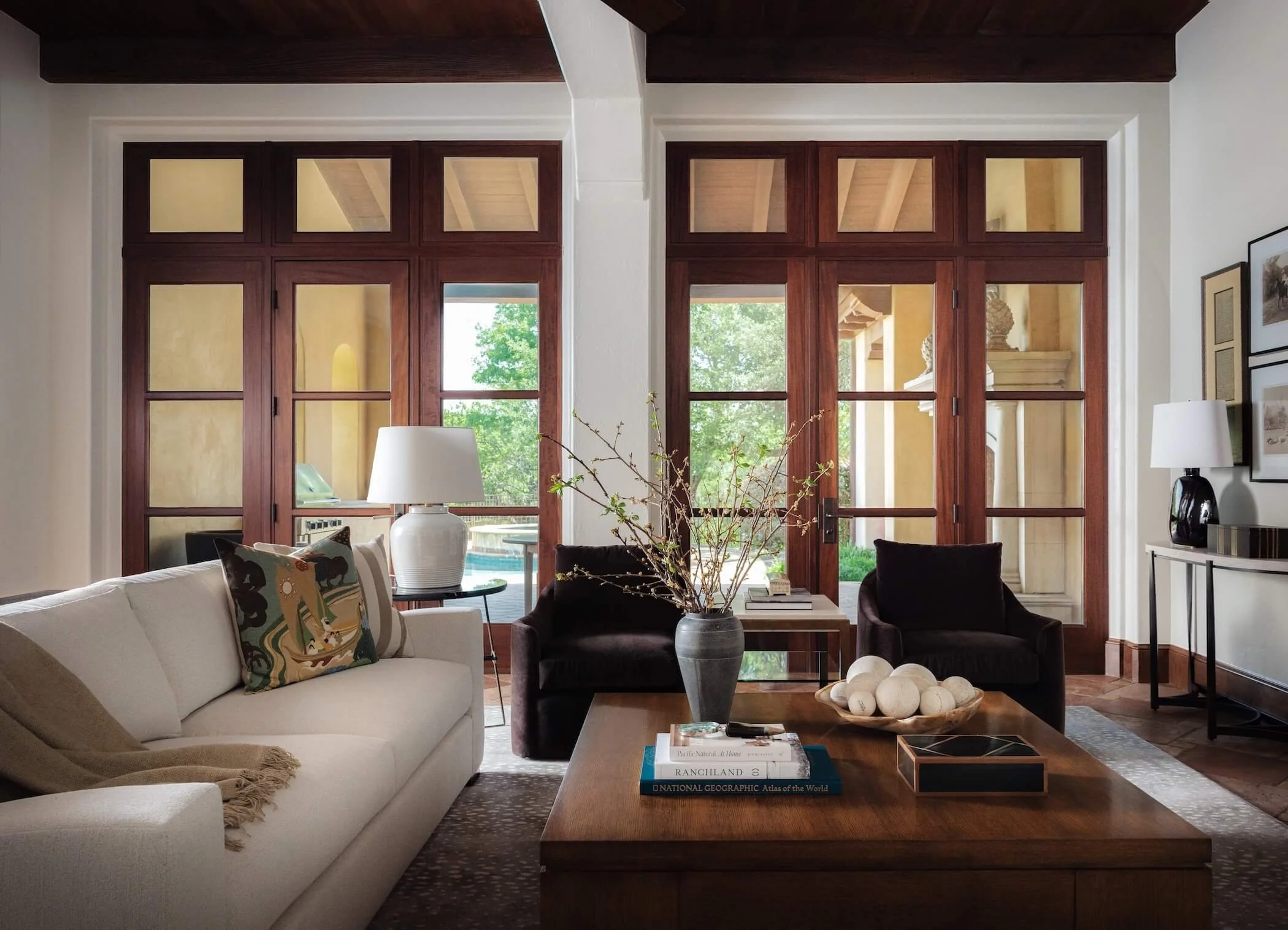
Group pieces in conversational clusters, not just along walls.
4. Layer Function with Aesthetic Considerations
Space planning isn’t only practical — it also enhances visual appeal:
Use symmetry or asymmetry to create rhythm in the room.
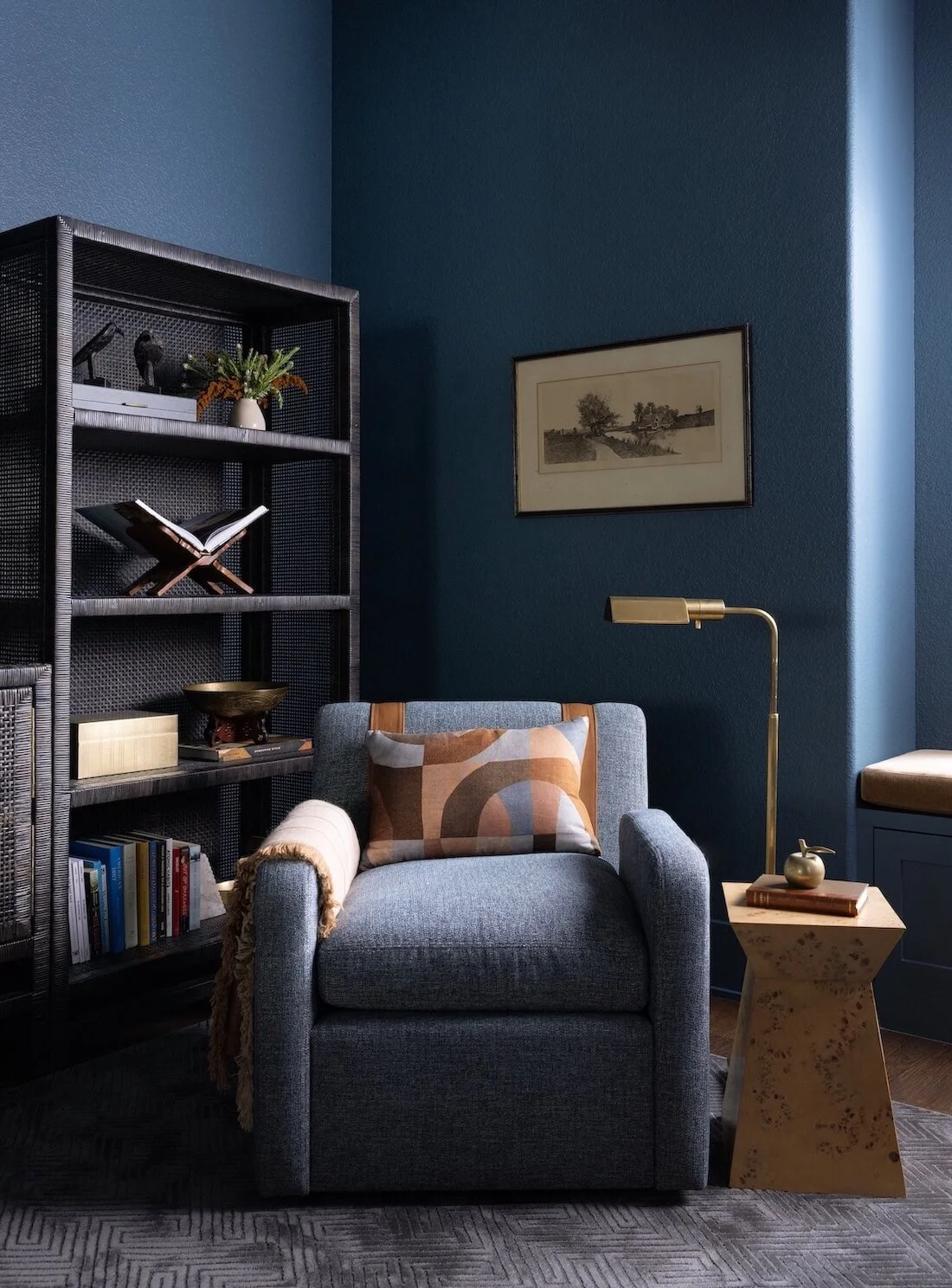
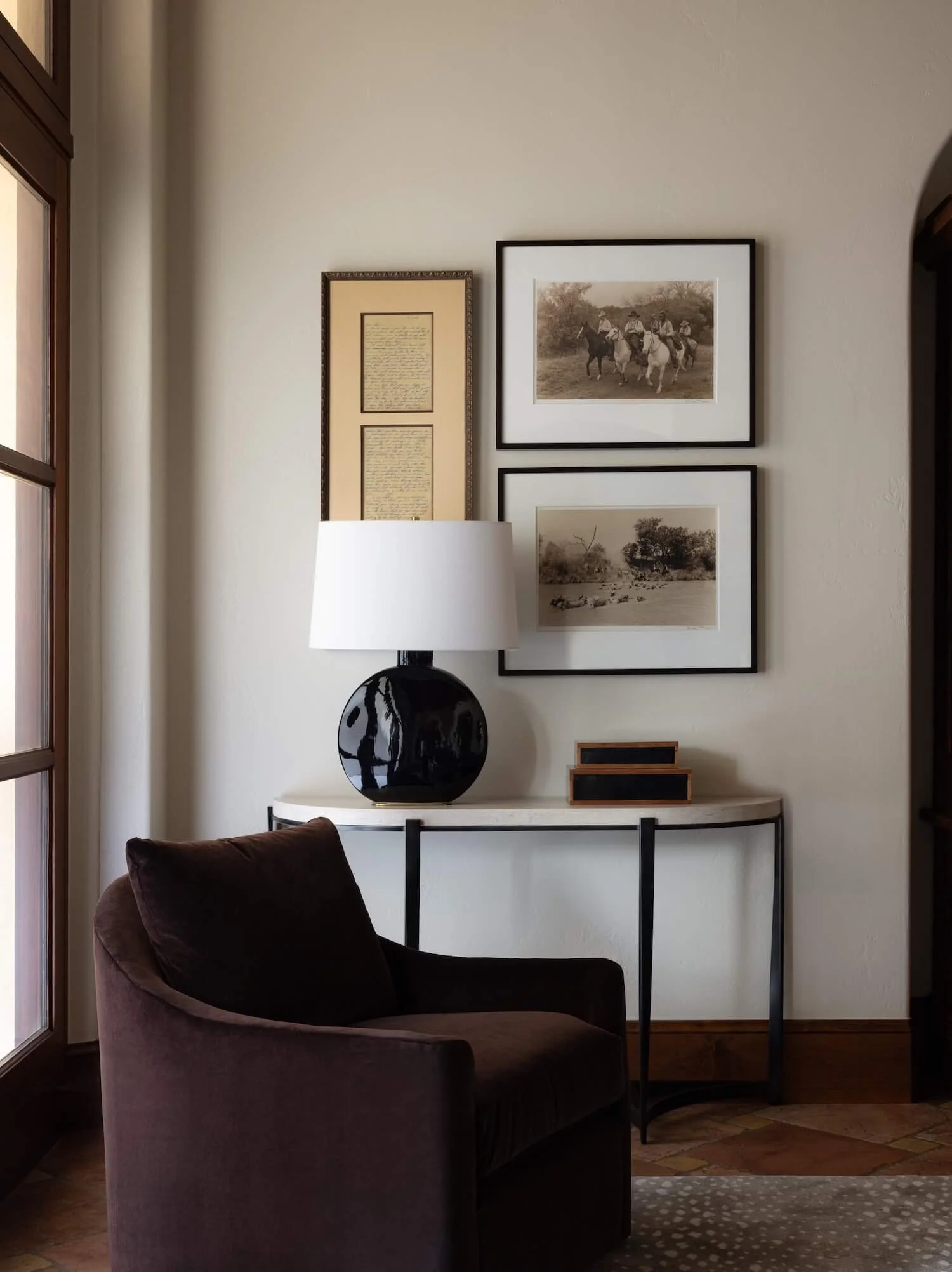
Incorporate focal points like a fireplace, artwork, or architectural feature.
Balance materials, textures, and color palettes to guide the eye naturally.
5. Multi-Functional Spaces
Modern living often requires flexible, multi-use rooms:
Consider dual-purpose furniture (e.g., console tables that double as desks).
Zone spaces within larger rooms using rugs, furniture arrangements, or lighting.
Ensure transitions between zones feel natural and cohesive.
6. Test, Adjust, and Refine
Even with planning, spaces evolve:
Live in the space and adjust furniture placement as needed.
Move items, test layouts, and refine until the flow feels intuitive.
Pay attention to natural light, accessibility, and daily habits.
Conclusion
Effective space planning transforms a house into a functional, beautiful, and curated home. By considering function, flow, scale, aesthetics, and flexibility, homeowners in Austin and surrounding areas can achieve interiors that feel intentional and effortless.